EN
EN

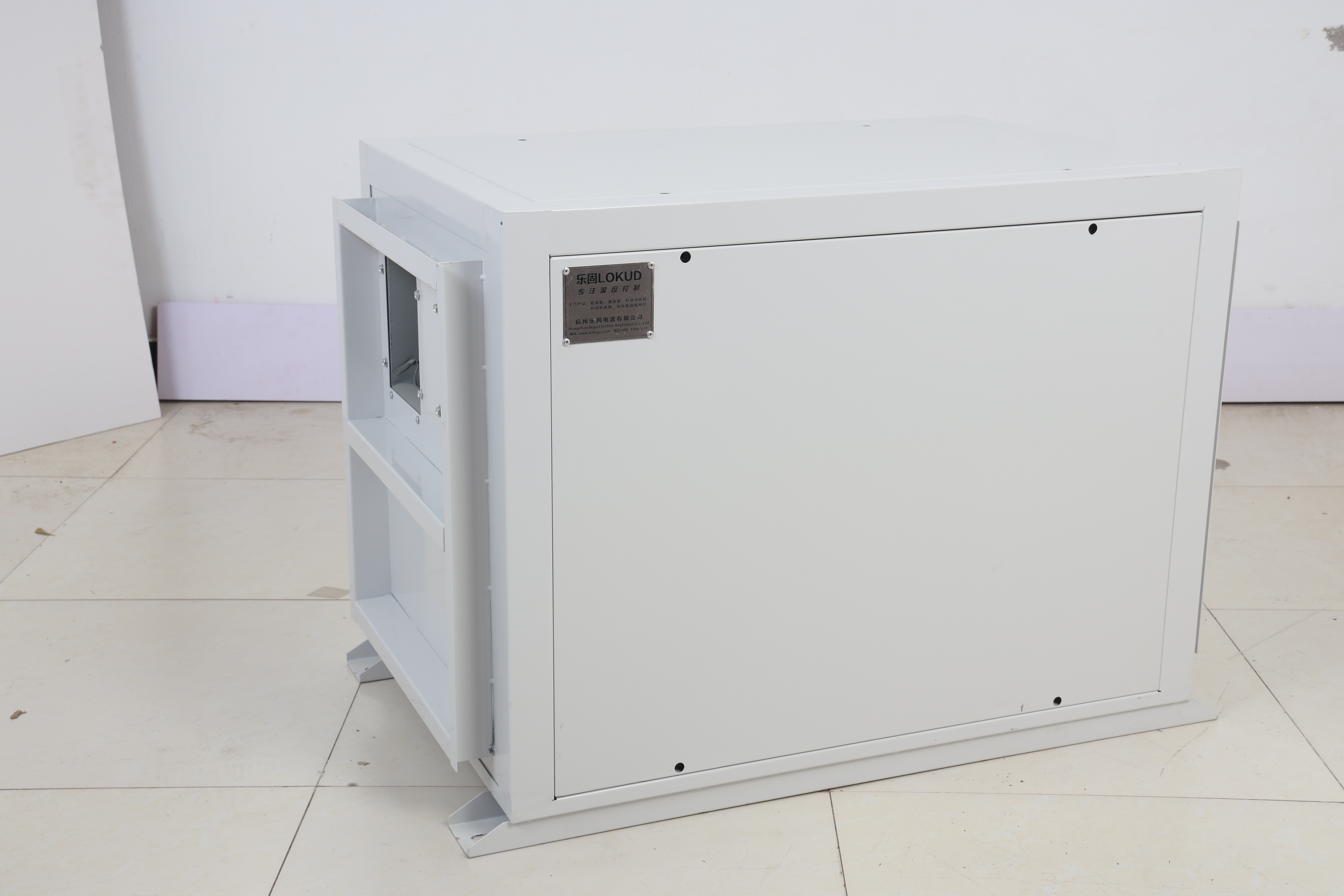
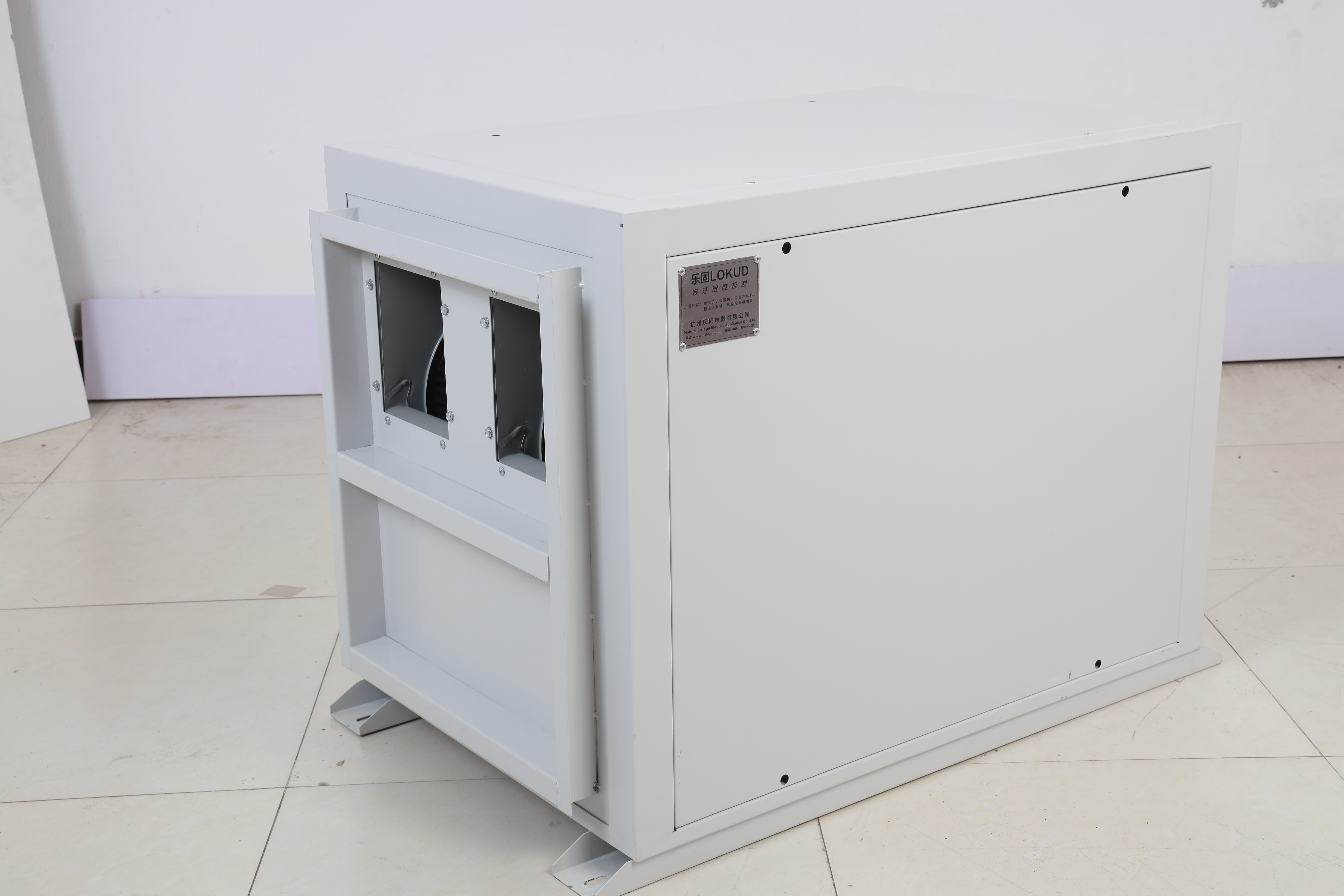
Industrial dehumidifiers are important machines that help keep the air dry in big factories and warehouses. When the air is too wet, it can cause problems like rust, mold, and damage to products. HIROSS makes industrial desiccant dehumidifiers that absorb moisture from the air. These machines work by using special materials that soak up water vapor, making the air dry and safe for different kinds of manufacturing. When companies use these dehumidifiers, they can protect their equipment and products, making them last longer and work better. For instance, the HIROSS 218L Ducted Industrial Dehumidifier is an excellent choice for efficient moisture control.
Common Usage Issues with Industrial Desiccant Dehumidifiers and How to Solve Them
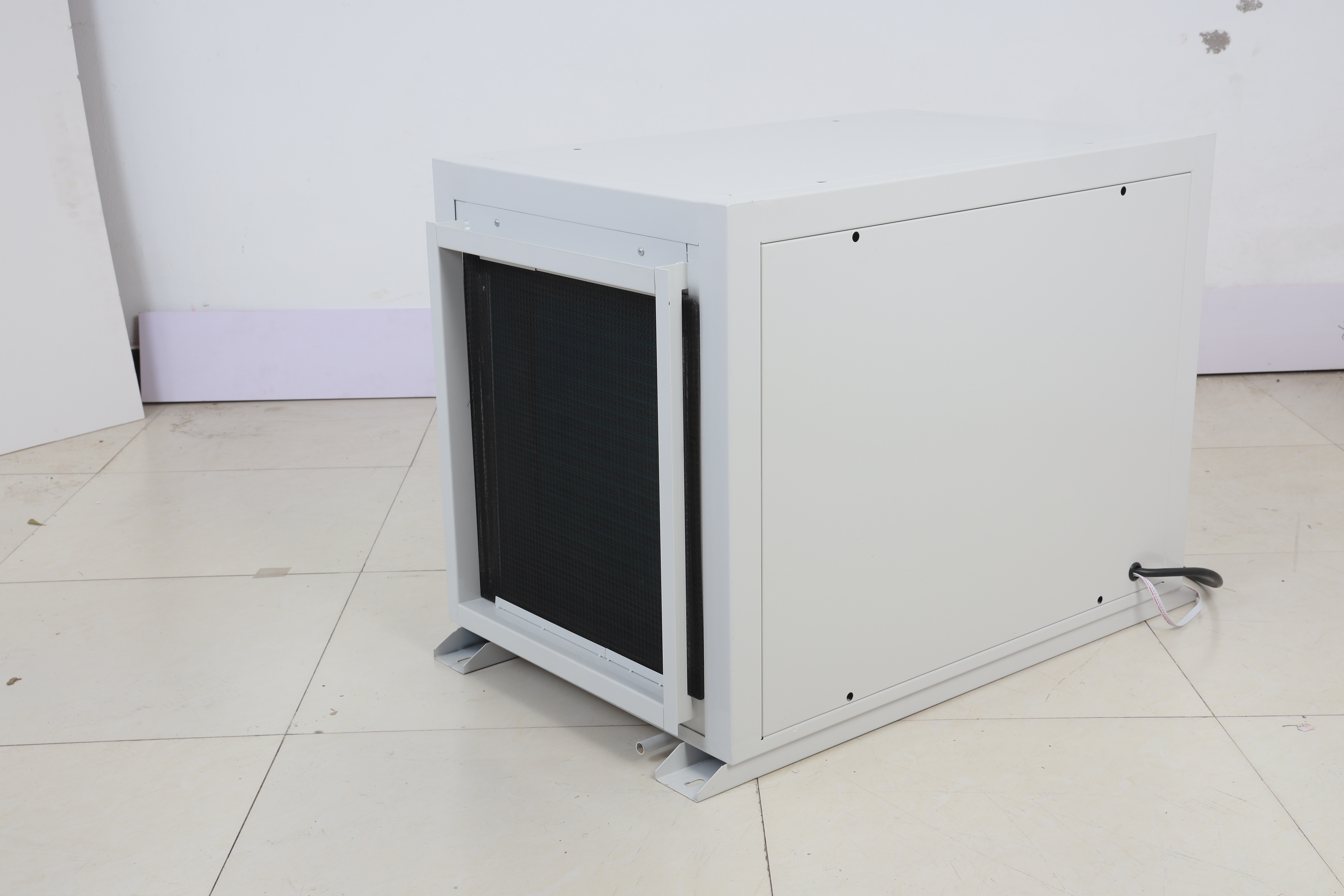
While industrial desiccant dehumidifiers are helpful, there can be some issues when using them. One common problem is that they might not remove enough moisture if they are too small for the space. Companies need to make sure they choose the right size dehumidifier for the area they want to dry. If the air is still too damp, they should consider getting a larger unit or using more than one. Another issue can be the maintenance of the machines. If they are not cleaned properly, the filter can get clogged, which means they won’t work as well. Regular maintenance is important. HIROSS recommends having a schedule for cleaning the dehumidifiers to keep them running smoothly. Sometimes, these machines can also cause the air to become too dry. If the air gets too dry, it can affect workers' comfort and health. Companies should monitor humidity levels and adjust the dehumidifier settings as needed. Lastly, the location of the dehumidifier can make a difference. If it is placed in a corner or away from air circulation, it might not work as effectively. It’s best to put the dehumidifier in the middle of the space for the best results. By knowing these common issues and how to fix them, companies can get the most out of their HIROSS industrial desiccant dehumidifiers.