Different industries don’t use compressed air in the same way, so the dryer selection is never exactly the same. In actual projects, we usually adjust the configuration based on air quality requirements, working conditions, and budget.
Here are some typical recommendations from real applications:
For food and pharma projects, air cleanliness is always the first priority.
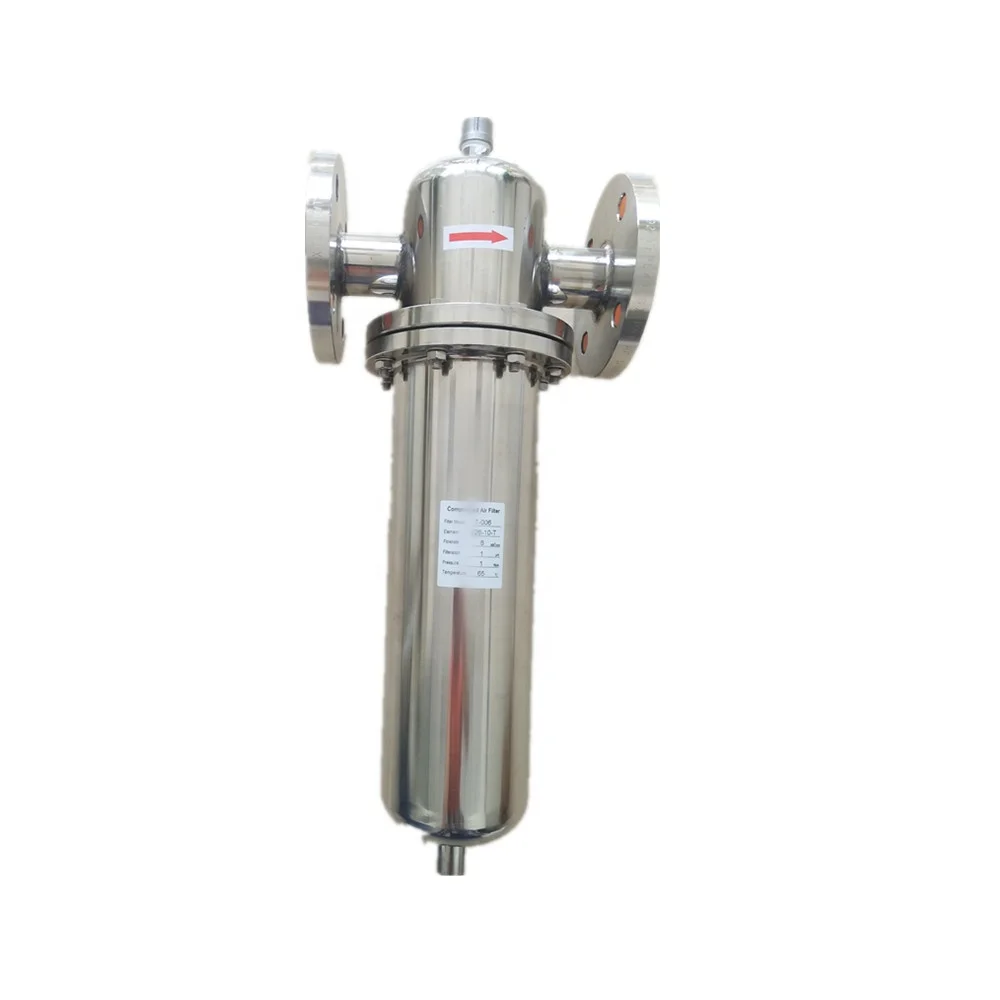
In most cases, we suggest:
The main reason is simple — even a small amount of oil contamination can cause problems in production or fail compliance checks. So the design here is usually more conservative.
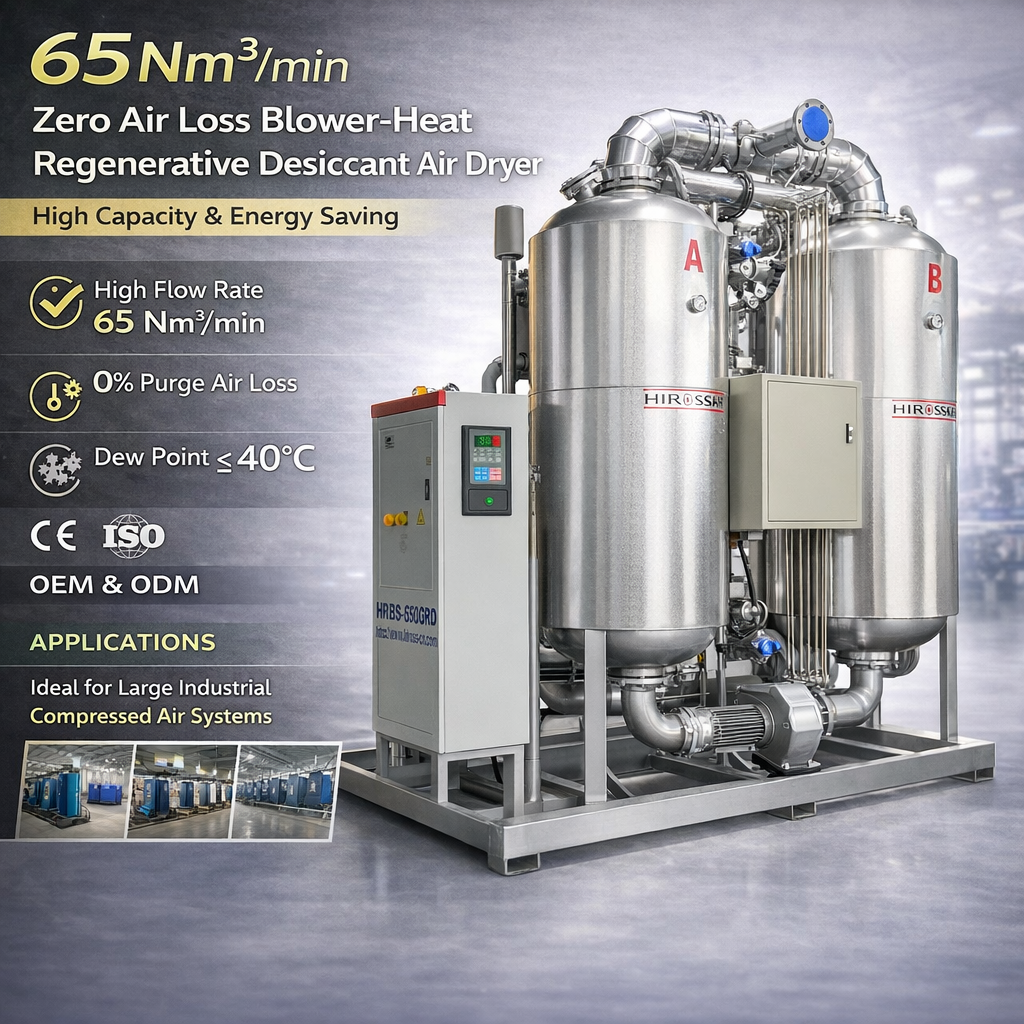
Electronics production is very sensitive to moisture, especially in processes like PCB manufacturing or chip production.
If the requirement is around -70°C dew point, a single dryer is often not enough.
In practice, we normally go with:
What really matters is not just reaching a low dew point, but keeping it stable over time.
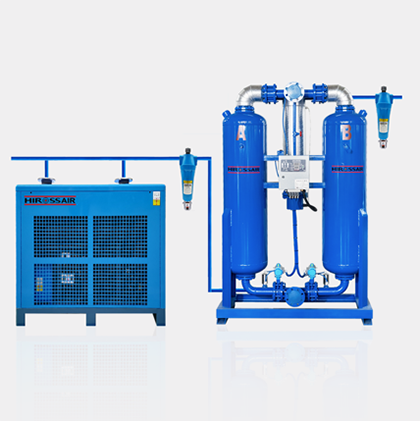
For lithium battery production, moisture control is critical. Even slight fluctuations can affect product quality.
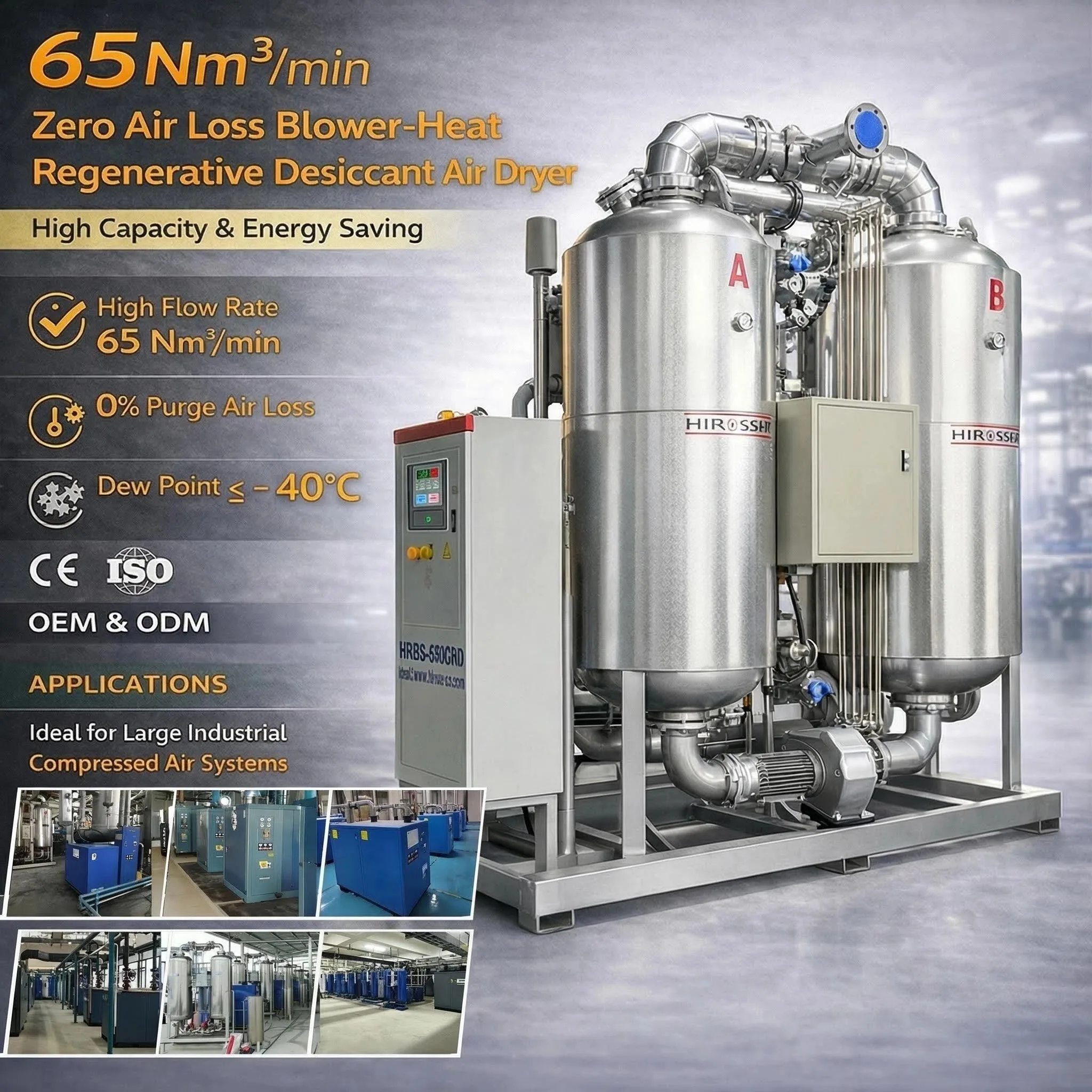
In these projects, we more often recommend:
Compared to heatless dryers, this type reduces compressed air loss and performs better in long-term operation.
It’s especially suitable for factories running 24/7.
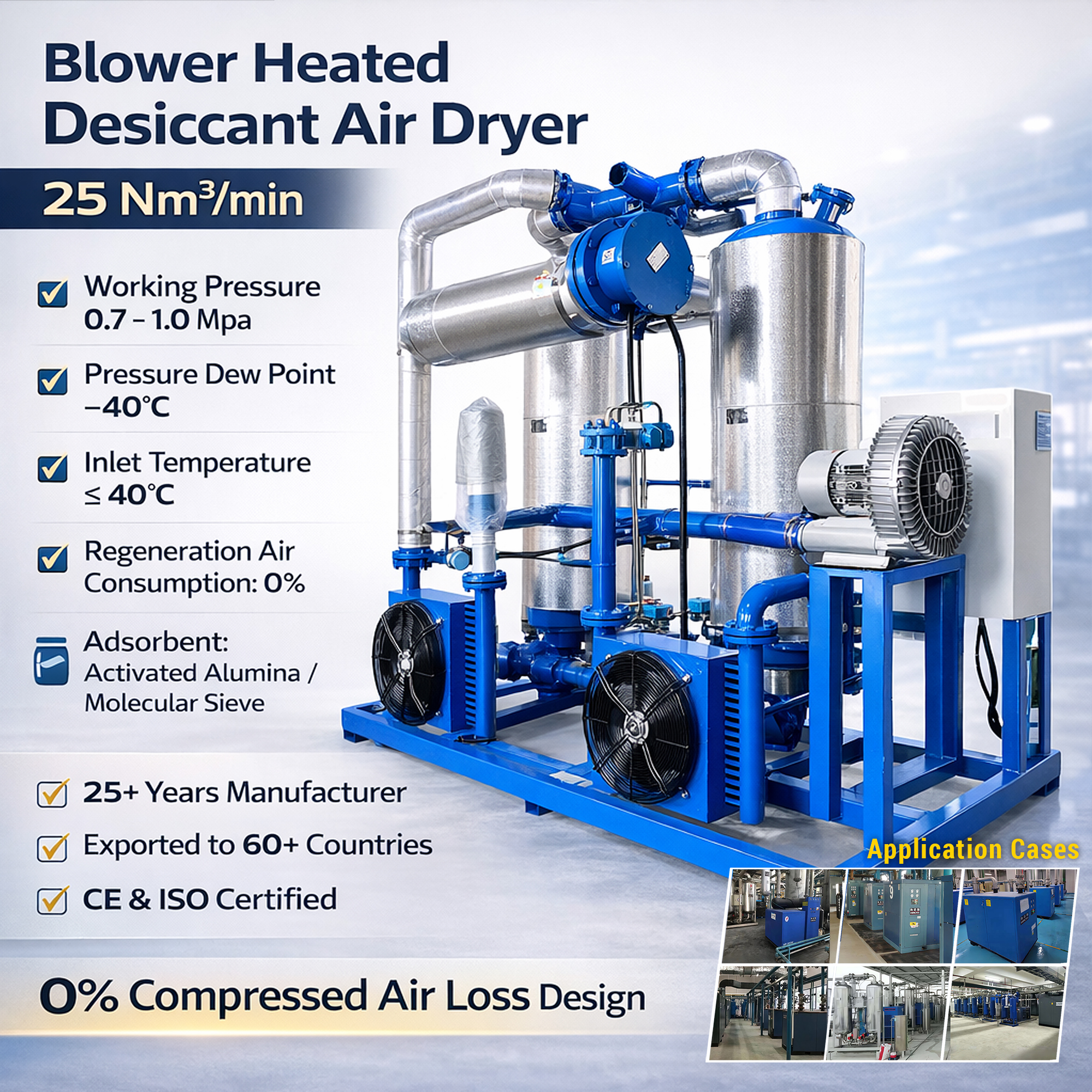
In general manufacturing, the focus is usually more practical — stable performance and reasonable cost.
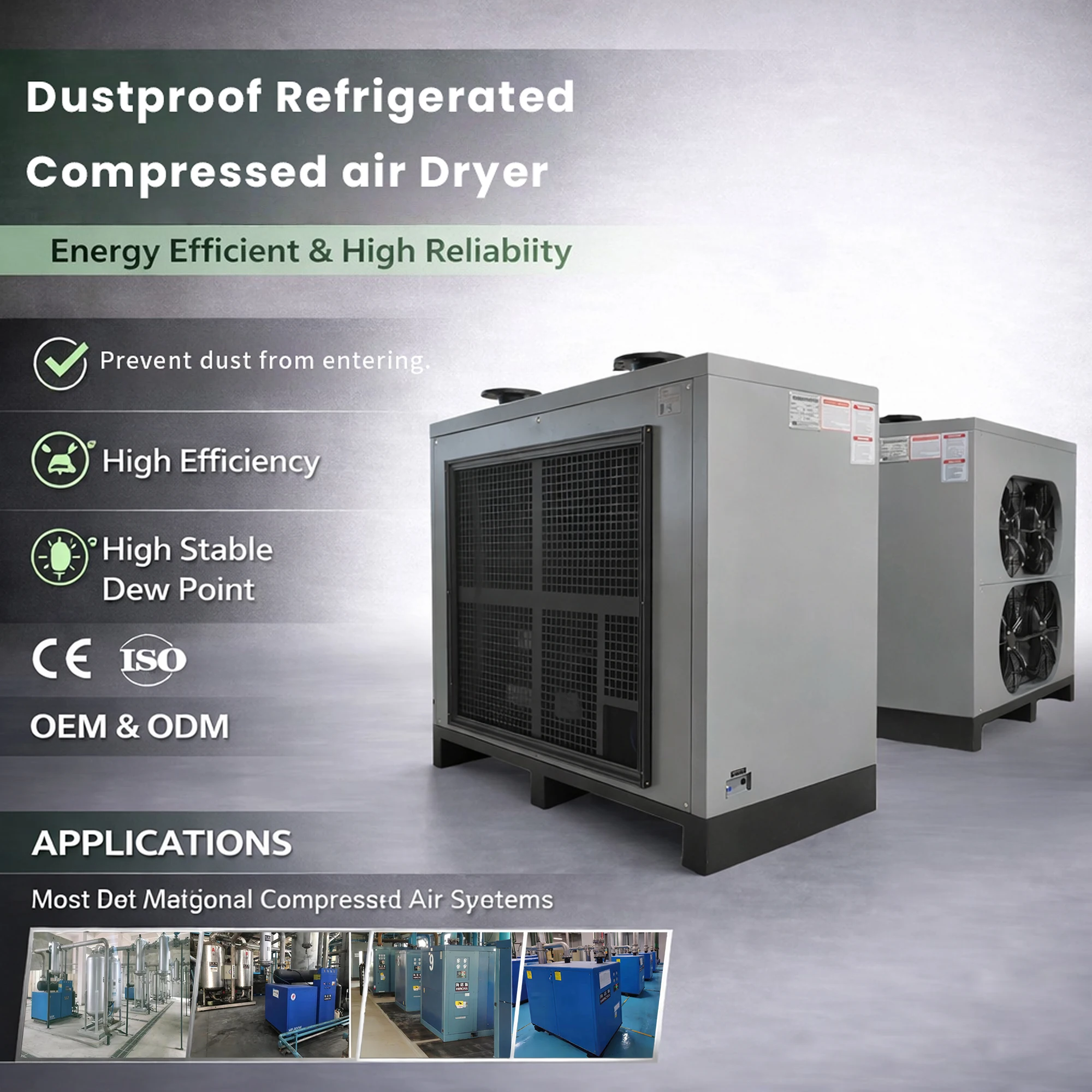
A common choice is:
It’s not the most advanced option, but in many cases, it works well:
That’s why it’s still widely used in many standard industrial applications.
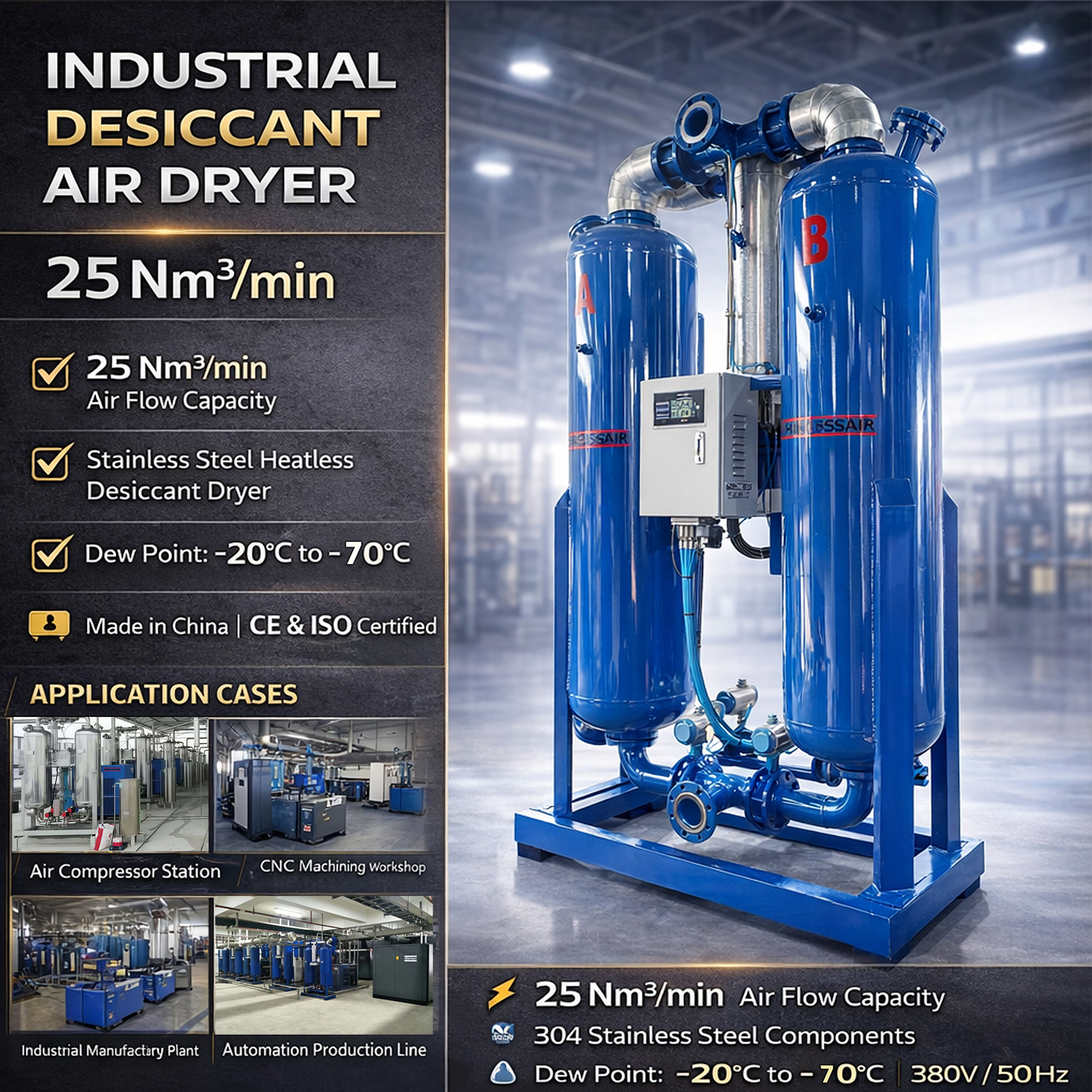
There’s no fixed answer when it comes to dryer selection.
In most projects, the final decision depends on a few key things:
If the conditions are not fully clear at the beginning, it’s usually better to leave some margin in the design.
 EN
EN

 Hot News